Commodities Trading for Beginners: A Complete Guide to Understanding Commodity Markets
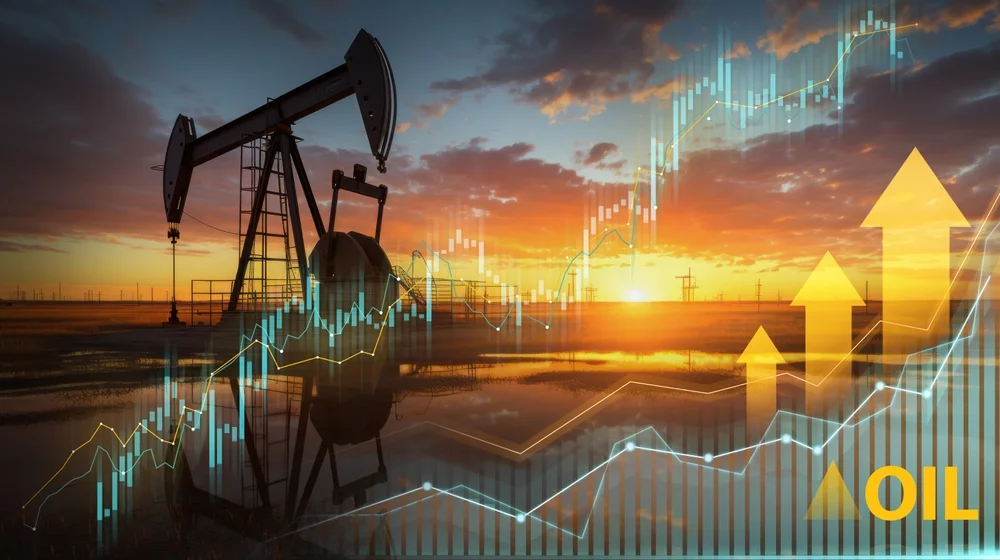
Commodities trading has become an increasingly popular way for traders and investors to diversify their portfolios and participate in global financial markets. Unlike stocks, commodities are physical goods such as gold, silver, crude oil, natural gas, and agricultural products that are traded on regulated exchanges.
Learning Commodities Trading requires more than understanding price movements. Successful traders develop strong analytical skills, follow market trends, apply technical analysis, and manage risk effectively. Whether you are a beginner or an experienced trader looking to expand your knowledge, understanding how commodity markets work is the first step toward making informed trading decisions.
What is Commodities Trading?
Commodities Trading involves buying and selling standardized contracts of physical goods in financial markets. These goods are grouped into different categories, including precious metals, energy products, and agricultural commodities.
Popular commodities include:
- Gold
- Silver
- Crude Oil
- Natural Gas
- Copper
- Cotton
- Wheat
- Soybeans
Commodity prices are influenced by global supply and demand, economic conditions, geopolitical events, weather changes, and currency fluctuations.
Why Learn Commodities Trading?
Commodity markets offer opportunities that differ from traditional stock investing. Many traders include commodities in their portfolios to diversify risk and take advantage of changing market conditions.
Some benefits include:
- Portfolio diversification
- High market liquidity
- Opportunities during inflation
- Trading in global markets
- Multiple trading opportunities throughout the year
- Exposure to essential global industries
Understanding these markets helps traders identify opportunities while minimizing unnecessary risks.
Types of Commodities
Precious Metals
These include:
- Gold
- Silver
- Platinum
- Palladium
Precious metals are often considered safe-haven assets during periods of economic uncertainty.
Energy Commodities
Energy markets include:
- Crude Oil
- Natural Gas
- Heating Oil
- Gasoline
Energy prices are influenced by production levels, geopolitical developments, and global demand.
Agricultural Commodities
Agricultural products include:
- Wheat
- Corn
- Rice
- Soybeans
- Cotton
- Coffee
- Sugar
Weather conditions and seasonal demand play an important role in price movements.
Industrial Metals
Industrial metals include:
- Copper
- Aluminum
- Zinc
- Nickel
These commodities are closely linked to industrial production and infrastructure development
Factors That Affect Commodity Prices
Commodity prices constantly change due to several economic and global factors.
Major influences include:
- Supply and demand
- Inflation
- Interest rates
- Currency exchange rates
- Government policies
- Geopolitical tensions
- Weather conditions
- Global economic growth
Understanding these factors helps traders make better-informed decisions.
Essential Concepts Every Commodity Trader Should Learn
Price Action
Price action helps traders understand market behavior by studying price movement instead of relying only on indicators.
Technical Analysis
Technical analysis involves using charts, trendlines, support and resistance levels, candlestick patterns, and market structure to identify trading opportunities.
Market Structure
Learning to identify trends, reversals, breakouts, and consolidations enables traders to understand market direction before entering a trade.
Risk Management
Successful traders prioritize protecting their capital through proper position sizing, stop-loss placement, and disciplined trade management.
Popular Commodity Trading Strategies
Professional traders often combine different strategies based on market conditions.
Some commonly used approaches include:
Trend Following
Trading in the direction of the prevailing market trend.
Breakout Trading
Entering trades when prices move beyond key support or resistance levels.
Swing Trading
Holding positions for several days to capture medium-term price movements.
Intraday Trading
Opening and closing trades within the same trading session.
Choosing the right strategy depends on experience, trading goals, and market conditions.
Common Mistakes Beginners Should Avoid
Many new traders lose money because they overlook the importance of preparation.
Avoid these common mistakes:
- Trading without a strategy
- Ignoring risk management
- Overtrading
- Using excessive leverage
- Trading based on emotions
- Following market rumors
- Entering trades without analysis
Building discipline is essential for long-term success.
How to Start Learning Commodities Trading
A structured learning plan helps beginners gain confidence and improve their decision-making skills.
A recommended learning path includes:
- Understand commodity market fundamentals.
- Learn about different commodity categories.
- Study technical analysis.
- Practice price action trading.
- Learn market structure.
- Develop a trading plan.
- Focus on risk management.
- Continue learning through live market analysis.
Consistent practice and education are key to becoming a better trader.
Why Choose Infinity Trading Academy?
At Infinity Trading Academy, we provide practical trading education that helps beginners understand financial markets through structured learning and expert mentorship.
Our courses cover:
- Indian Stock Market
- Forex Trading
- Commodities Trading
- ICT Concepts
- Price Action
- Technical Analysis
- Market Structure
- Risk Management
- Live Market Analysis
With online and offline classes, live market sessions, and practical training, our goal is to help students develop the skills needed to trade confidently.
Final Thoughts
Commodities Trading provides exciting opportunities for traders who understand market fundamentals and follow disciplined trading practices. While commodity markets can be influenced by economic events, global demand, and geopolitical developments, a solid understanding of technical analysis, price action, and risk management helps traders make informed decisions.
Instead of focusing on short-term gains, invest in continuous learning and practical experience. With the right education and consistent practice, you can build the confidence and skills needed to navigate commodity markets successfully.